
Highland Cow for Sale: Where to Buy and What to Pay
Where to find a Highland cow for sale, from registered breeders to auctions, with realistic price bands for each source and what to check before you pay.
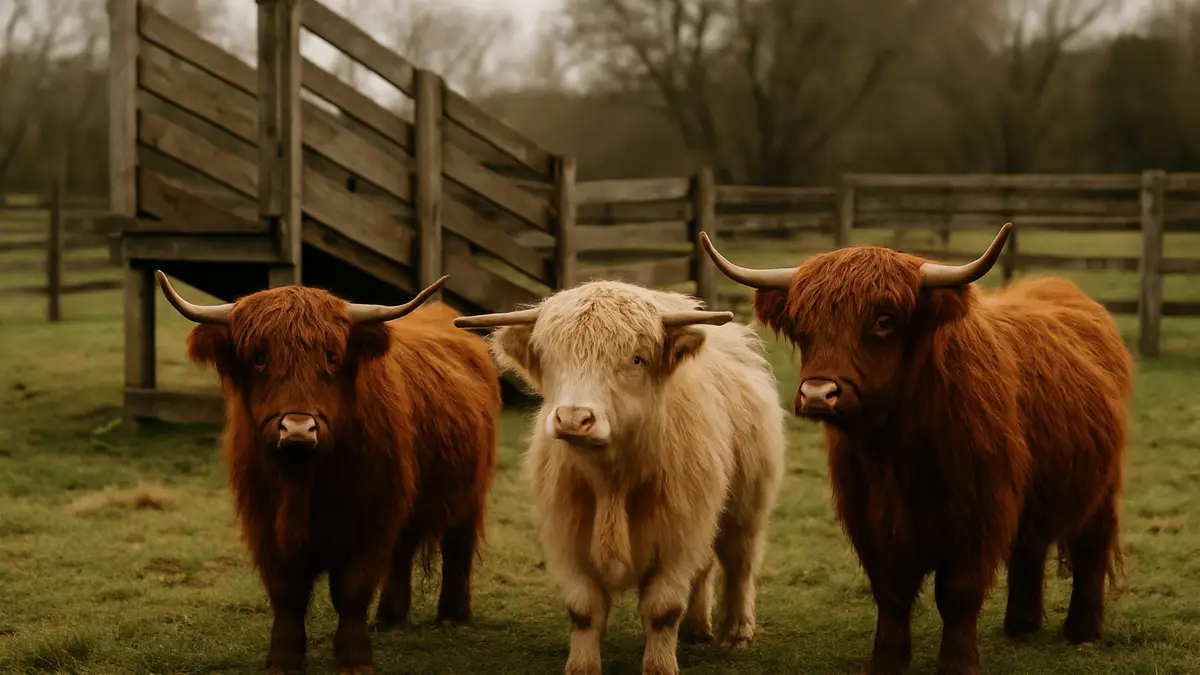
A Highland cow for sale can mean three very different buying experiences: a careful breeder transaction with papers and a health history, a fast auction sale with none of that, or an online listing somewhere in between. Price and risk move together across all three, and knowing which one you are looking at changes what a “good deal” actually means.
Where Highland Cows Are Actually Sold
Registered breeders ($1,500 - $8,000+). The safest route for a first purchase. You get a known lineage, often a health record, and a seller who answers questions after the sale. Prices run from $1,500 for a grade animal to $8,000 or more for a premium-color registered miniature. Not for buyers on a hard budget under $1,500 or those who need an animal this week; breeders often have a waitlist.
Livestock auctions ($800 - $3,500). Cheaper on average, especially for grade or older animals, but you get minimal history and limited time to evaluate temperament before bidding. Not for first-time owners without an experienced cattle person along to help judge the animal, and not for anyone planning to breed and register offspring later.
Online marketplaces and classifieds ($1,200 - $6,000). A middle ground: individual sellers, sometimes small breeders, listing directly. Pricing varies widely and quality is inconsistent, so cross-check any registration claims independently before paying. Not for buyers unwilling to travel for an in-person look; photos alone undersell horn set and coat condition.
| Source | Typical price | Risk level |
|---|---|---|
| Registered breeder | $1,500 - $8,000+ | Low |
| Livestock auction | $800 - $3,500 | High |
| Online marketplace/classifieds | $1,200 - $6,000 | Medium |
What Drives the Price Beyond the Source
Registration status matters most: a grade animal with no papers sells for roughly half of an otherwise identical registered one. Coat color plays a real role too, with red and dun Highlands generally commanding more than black, and horn symmetry adds a premium on show-quality animals. Miniature Highland genetics, under about 42 inches at the hip, typically cost more than standard-size stock of comparable registration; see our miniature Highland cow guide for the full price-tier breakdown.
Questions to Ask Before You Pay
Ask for the animal’s age, vaccination and deworming history, and whether it has been handled, haltered, or exposed to kids and other animals. For a female, ask about calving history and whether she is currently bred; a bred cow costs more but represents two animals’ worth of value. If buying a calf rather than an adult, confirm weaning status; our baby Highland cow guide covers what a calf specifically needs and costs.
Timing Your Purchase
Prices and availability shift seasonally. Spring, when calving season peaks, often brings the widest selection of young calves, while fall listings lean toward weaned animals ready for a new home before winter. Buying in the off-season for a given breeder can sometimes mean a better price simply because demand is lower, though the tradeoff is a smaller pool of animals to choose from at that moment.
Budgeting Beyond the Purchase Price
Transport is the most commonly forgotten line item. A hauler typically charges $1 to $2 per mile for a partial-load trip, which adds up fast for a long-distance breeder purchase. Fencing rated for cattle, ideally accounting for horns if buying a horned breed, should be ready before the animal arrives; our cattle fencing guide covers material choices and per-foot costs. Add a first vet visit, and a realistic all-in cost for a single Highland, beyond the sale price itself, runs another $500 to $2,000 depending on distance and existing infrastructure.
Negotiating a Fair Price
Prices for Highland cattle are rarely fixed the way a retail product is. Ask how long the animal has been listed; a slow-selling animal has more room for negotiation than a fresh listing with several inquiries already in. Bundling a purchase, buying two animals from the same seller rather than one, sometimes opens room for a small discount, since it saves the seller a second transaction and a second round of showing the herd to strangers. Always weigh a lower price against what you are giving up in history and support; the cheapest Highland cow for sale is rarely the cheapest one to own over 15-plus years if it arrives with unknown health or temperament issues.
Regional Availability
Highland cattle are more common in cooler, northern climates where the breed’s thick coat is less of a liability, though breeders exist nationwide and the animals adapt reasonably well outside their original range with proper shade and water access in hot months. If you are in a region with few local breeders, expect to pay more in transport to bring in quality stock, or budget extra time to find a closer option through online marketplaces and regional livestock groups.
Red Flags Worth Walking Away From
A seller unwilling to let you visit in person, a price far below the going rate for a registered animal, or vague answers about age and health are all reasons to keep looking. Highland cattle are a multi-decade commitment; a rushed purchase from an unclear source is the most common regret first-time buyers report.
Matching the Purchase to Your Setup
Before contacting a seller, confirm your land and fencing can actually hold the animal you are about to buy: roughly 0.5 acre of average pasture per Highland, adjusted for pasture quality, plus a shelter and a reliable water source. Our mini cow guide walks through the full acreage, feed, and setup math so the number on the invoice is not the only number that surprises you.
Frequently asked questions
Quick answers to what readers ask us most
Is it cheaper to buy a Highland cow at auction than from a breeder?
Usually yes on sticker price, but auctions offer little to no health or temperament history, and Highlands with sizeable horns need calm handling. Most first-time buyers do better paying more to a breeder for a known-quantity animal.
What paperwork should come with a Highland cow for sale?
A bill of sale at minimum. For registered animals, expect a registration certificate transferable to your name, and ideally a recent health record or vaccination history from the seller.
How far will people travel to buy a Highland cow?
It is common to drive several hundred miles or arrange transport for a specific bloodline or coat color, since Highland breeders are not evenly distributed. Factor a transport fee, often $1 to $2 per mile for a hauler, into your total budget.
Are standard-size Highland cows cheaper than miniature ones?
Generally yes for grade stock, since miniature genetics carry a premium, but a registered standard Highland with excellent conformation can still outprice a grade miniature. Compare like registration tiers, not just size, when judging a price.