
Miniature Highland Cow: Price, Breeders and Care
Miniature Highland cows run $1,500 to $5,000 grade, $3,000 to $8,000+ registered. What drives the price, what breeders check for, and yearly upkeep costs.
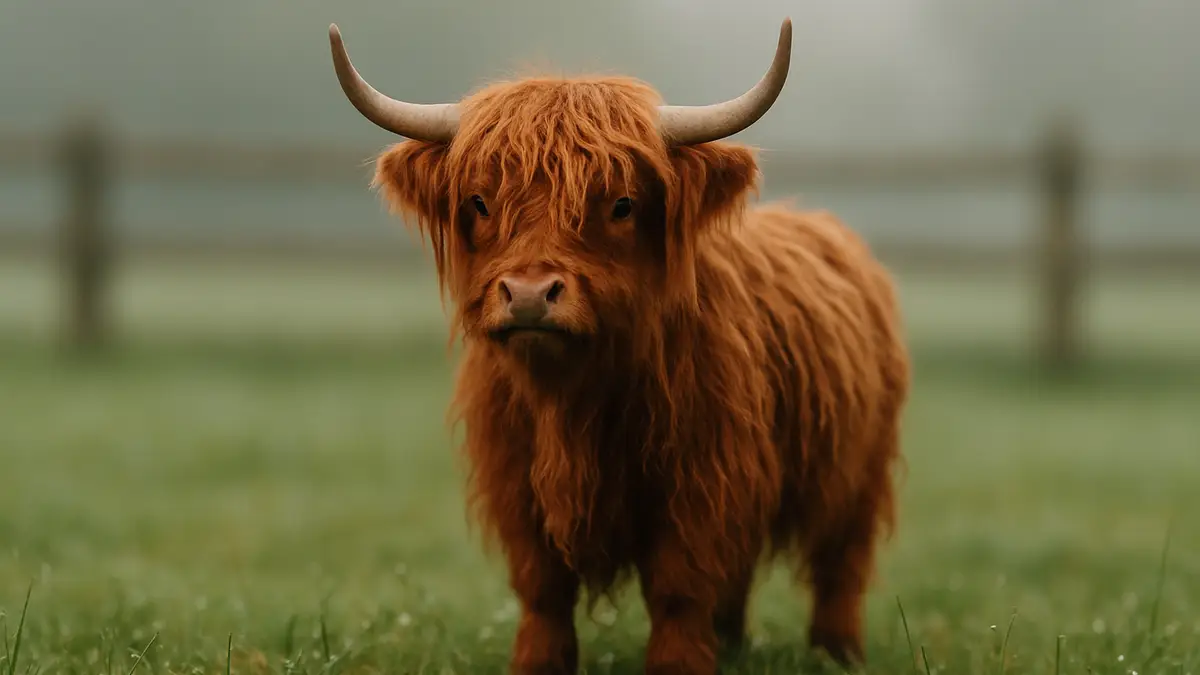
The shaggy coat and long horns make the miniature Highland the most photographed mini cow breed, and also the most expensive one. Before you call a breeder, it helps to know which price tier you are actually shopping in and what separates a $2,000 animal from an $8,000 one.
What Is a Miniature Highland Cow?
A miniature Highland cow is a Highland bred down to roughly 38 to 42 inches at the hip, about two-thirds the height of a standard Highland, while keeping the breed’s long double coat, curved horns, and hardy cold-climate temperament. Miniature Highland cow is often used interchangeably with mini Highland cow; both refer to the same downsized version of the standard breed.
Miniature Highland Cow Price Tiers
Price tracks registration paperwork, coat color, and horn quality more than anything else.
| Tier | Price range | What you get |
|---|---|---|
| Grade / unregistered | $1,500 - $3,000 | Crossbred or unpapered animal, standard black or brindle coat, functional but not show-quality horns |
| Registered, standard color | $3,000 - $5,500 | Papers with a recognized association, verified lineage, average coat and horn conformation |
| Registered, premium color/conformation | $5,500 - $8,000+ | Rare coat (red, dun, silver dun), wide symmetrical horn set, proven breeding history |
Grade animals are not for buyers planning to breed and sell registered offspring; without papers, calves cannot be registered even if both parents look purebred. They are a good fit for anyone who wants the look and temperament purely for a family pasture pet.
How Much Land and Feed Does It Need?
Budget the same as any mini cow: about 0.5 acre of average pasture per animal, adjusted by pasture quality (poor ground pushes that closer to 0.75 acre, lush pasture drops it to about 0.35 acre). Winter hay runs roughly 12 lb per day, and water intake sits around 8 gallons a day, more in hot weather. Run your specific numbers through the acreage and feed calculator before finalizing a purchase, especially if you are also keeping goats or sheep on the same ground.
What Breeders Look For (and What You Should Ask)
Reputable Highland breeders can show a registration certificate, a health record, and, ideally, photos or video of the parents. Ask about the dam’s calving history and whether the animal has been handled and haltered; a wild, unhandled Highland with sizeable horns is a real safety consideration around kids. Expect to pay a deposit to hold a calf and a balance at pickup or delivery.
Coat Care and Grooming Costs
That famous shaggy double coat needs more upkeep than most buyers expect. Regular brushing, especially during the heavy spring shed, keeps the coat from matting and gives you a chance to spot burrs, ticks, or skin issues early. Most owners handle grooming themselves with a livestock brush and a curry comb, a one-time cost usually under $50, though the coat itself is part of why the breed photographs so well and part of why it demands a bit more hands-on time than a short-haired mini breed.
Transport and Delivery Costs
Because miniature Highland breeders are not evenly spread across the country, buyers often travel or arrange hauling for the specific coat color or bloodline they want. A professional livestock hauler typically charges by the mile for a partial-load trip, and that cost is separate from the purchase price, worth asking about before you commit to a specific animal several states away. Some breeders offer delivery within a limited radius for an added fee, which can still come out cheaper than arranging your own trailer and driver for a one-time trip.
Care Basics and Lifespan
Miniature Highlands live 15 to 20 years and reach breeding age around 18 to 24 months. Gestation runs about 283 days, in line with cattle generally, with a normal range of 279 to 287 days; see the cattle gestation chart for calving-date math. Calves wean at 6 to 8 months, covered in detail in our baby Highland cow guide. That thick coat, an asset in cold climates, means shade and airflow matter more than most new owners expect once summer heat sets in.
Miniature Highland vs a Standard Mini Cow
If you are choosing between a Highland and a different mini breed such as a mini Dexter or Zebu-cross, the deciding factors are usually coat maintenance (Highlands need occasional brushing and shed heavily in spring), horn management (dehorning is possible but changes resale value), and budget, since Highlands typically sit at the top of the mini cow price range. Our mini cow guide covers the full breed lineup and general cost math side by side.
Setup Costs Before the Cow Arrives
A miniature Highland’s horns mean standard woven wire is not always enough; horns can catch in small-gauge fencing. Many owners run a combination of a physical perimeter fence with a hot wire offset to keep the cow off the fence line entirely rather than testing it. Full material and cost breakdowns are in our cattle fencing guide.
Is a Miniature Highland Cow Worth the Price?
For buyers who want the breed’s specific look, temperament, and cold hardiness, yes: it is simply the most recognizable mini cow on the market and holds resale value well. For buyers purely optimizing cost per acre or fastest path to a family milk cow, a grade mini cow of a different breed, or a Dexter, will get there for less money and less horn-related fencing hassle.
Frequently asked questions
Quick answers to what readers ask us most
What makes a miniature Highland cow more expensive than a regular mini cow?
Registration, coat color rarity (red and dun sell faster than black), and horn symmetry. A miniature Highland with papers, a wide horn set, and a rare coat can run well past $8,000, while an unregistered animal of the same breed sells closer to $2,000.
How is a miniature Highland cow different from a full-size Highland?
Genetics selected down for height, usually under 42 inches at the hip versus 48 inches or more for standard Highland cattle. Temperament, coat, and horn shape stay the same; the miniature version simply needs less land and less hay per animal.
Do miniature Highland cows need shade in summer?
Yes. That thick double coat, built for cold, makes them prone to heat stress in warm climates. A run-in shelter or dense tree cover is close to mandatory anywhere summers run hot.
Can you milk a miniature Highland cow?
Some owners hand-milk a Highland cow for household use, but it is not a dedicated dairy breed and yields are modest. If milk is the priority, a dairy-focused breed will outproduce a Highland by a wide margin.